Why Group Grief Support Matters: Finding Peace in Shared Pain
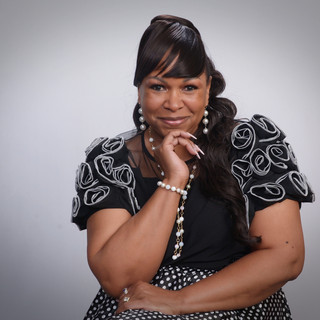
Grief is a journey I never wanted to take, yet here I am, walking it day by day. The weight of loss presses down, making each breath feel heavier than the last. I know you feel it too - that restless ache, the emotional storm that sweeps through without warning. It’s a lonely path, but I’ve found something that helps me steady my steps: group grief support. It’s not a magic cure, but it’s a lifeline. Let me share why these groups matter so deeply.
The Power of Group Grief Support: More Than Just Words
When grief hits, it isolates us. We feel like no one truly understands the depth of our pain. But in a group grief support setting, something shifts. Suddenly, you’re surrounded by others who do understand. They’ve walked through the same darkness, felt the same sharp edges of loss. This shared experience creates a unique bond.
In these groups, I’ve learned that it’s okay to be vulnerable. To cry, to rage, to laugh at memories that sting and soothe at the same time. The group becomes a safe space where judgment fades and empathy grows. It’s a place where silence is respected, and words are a balm.
Imagine sitting in a circle, each person sharing their story. You realize you’re not alone in your sorrow. That realization is powerful. It’s a reminder that grief is not a sign of weakness but a testament to love. And in that love, there is hope.

How Group Grief Support Helps Us Heal
Healing from grief is not linear. Some days feel lighter, others unbearably heavy. Group grief support offers tools and comfort to navigate this unpredictable terrain. Here’s how it helps:
Validation of Feelings: When others acknowledge your pain, it feels less isolating. You learn that your emotions are normal and deserved.
Shared Wisdom: Hearing how others cope can inspire new ways to manage your own grief.
Spiritual Encouragement: For those of us who lean on faith, groups often incorporate prayer, scripture, and spiritual reflection, which can bring profound peace.
Accountability and Routine: Regular meetings provide structure, helping you stay connected and engaged even when you want to retreat.
Building New Connections: Grief can sever ties, but support groups help forge new friendships rooted in understanding and compassion.
I can’t overstate the benefits of grief support groups. They create a community where healing is possible, even when the world outside feels cold and indifferent.
What are the downsides of support groups?
It’s important to be honest about the challenges too. Group grief support isn’t perfect, and it’s not for everyone. Sometimes, hearing others’ stories can feel overwhelming or trigger fresh pain. You might find that some groups don’t align with your beliefs or needs, which can add to your frustration.
There’s also the risk of feeling pressured to share before you’re ready. Grief is deeply personal, and not everyone wants to open up in a group setting. If the group dynamic feels unsafe or judgmental, it can do more harm than good.
Lastly, some groups may lack professional facilitation, which can lead to unhelpful advice or misunderstandings. It’s crucial to find a group led by someone trained in grief support, ideally with a spiritual foundation if that’s important to you.
Despite these downsides, many find that the benefits far outweigh the risks. It’s about finding the right fit and honoring your own pace.

How to Find the Right Group for You
Finding a group that feels like home can be a game-changer. Here are some tips to help you find the right fit:
Look for Groups with a Spiritual Foundation: If your faith is a source of strength, seek groups that incorporate Christian beliefs or are led by Christian grief coaches.
Check Credentials: A certified grief coach or counselor can provide guidance that respects both emotional and spiritual needs.
Ask About Group Size and Format: Smaller groups often feel more intimate, while larger ones might offer more diverse perspectives.
Attend a Trial Session: Many groups allow you to sit in before committing. Use this time to gauge the atmosphere and comfort level.
Consider Online Options: If in-person meetings feel too daunting or inaccessible, online groups can offer flexibility and anonymity.
Trust Your Gut: If a group doesn’t feel right, it’s okay to keep looking. Your healing deserves the best environment possible.
Remember, this is your journey. You get to choose how and with whom you walk it.
Embracing the Journey: Moving From Grief to Gladness
Grief doesn’t have a timeline. It doesn’t disappear with time alone. I’ve learned that time often reminds me of what I’ve lost rather than healing the wound. But group grief support has helped me find moments of gladness amid the sorrow.
It’s in the shared stories, the prayers whispered in unison, the gentle encouragement when I feel like giving up. It’s in knowing that others understand the roller coaster of emotions - the sudden tears, the unexpected laughter, the quiet moments of peace.
If you’re feeling tired, overwhelmed, or lost, I invite you to consider group grief support. It’s not about forgetting or moving on too quickly. It’s about learning to live with grief, carrying love in your heart while finding rest for your soul.
You don’t have to walk this path alone. There is hope. There is healing. And there is a community waiting to welcome you with open arms.
Grief is powerful and painful, but together, we can find peace. Let’s walk this journey side by side.



Comments