The Benefits of Grief Support Groups: Building Bridges to Healing with Grief Group Benefits

Grief is a journey I never expected to take, yet here I am, walking it day by day. The pain feels relentless, like waves crashing over me when I least expect it. Sometimes, I want to scream, other times, I just want to disappear. But in the midst of this storm, I found something that gently pulled me back to shore - grief support groups. They are not just gatherings; they are lifelines, bridges to healing that I never knew I needed. If you are feeling lost, overwhelmed, or simply exhausted by grief, I want to share with you why these groups can be a sanctuary for your soul.
Understanding Grief Group Benefits: Why They Matter
When I first heard about grief support groups, I was skeptical. How could sitting in a room with strangers help me when my heart felt so shattered? But grief is a lonely road, and isolation only deepens the wounds. Grief groups offer a safe space where vulnerability is welcomed, not judged. Here’s what I’ve learned about the grief group benefits that make them so powerful:
Shared Experience: You realize you are not alone. Others have felt the same crushing loss, the same sleepless nights, the same moments of despair. This shared understanding creates a bond that words alone cannot describe.
Emotional Expression: Sometimes, we hold our grief inside, afraid to burden others. In these groups, tears, laughter, silence - all are accepted. It’s a place to let your emotions flow without fear.
Practical Guidance: Grief coaches and facilitators often provide tools and strategies to cope. From breathing exercises to journaling prompts, these practical tips help navigate the unpredictable waves of grief.
Spiritual Support: For those of us who lean on faith, grief groups often incorporate spiritual reflections, prayers, or scripture readings that bring comfort and hope.
Building New Connections: Over time, these groups become a community, a new family that understands your pain and walks alongside you.
I remember one evening, after sharing my story, feeling a warmth I hadn’t felt in months. It was the simple act of being heard, truly heard, that began to mend my broken heart.

How Grief Support Groups Help Us Heal
Healing from grief is not about forgetting or moving on quickly. It’s about learning to live with the loss, carrying it gently in our hearts while finding moments of peace. Grief support groups help in this delicate process by:
Normalizing the Grief Process: Grief is messy and unpredictable. Hearing others describe their ups and downs reassures you that your feelings are valid.
Encouraging Self-Compassion: We often blame ourselves or feel guilty for moments of happiness. Groups remind us that it’s okay to feel joy again.
Providing Accountability: Regular meetings encourage you to show up for yourself, even on days when you want to hide.
Offering Hope: Stories of resilience and recovery inspire you to believe that healing is possible, even if it feels distant.
One of the most profound moments I experienced was when a fellow member said, “Grief is love with no place to go.” That simple truth helped me reframe my pain as a testament to the love I still carry.
How Often Should a Grief Support Group Meet?
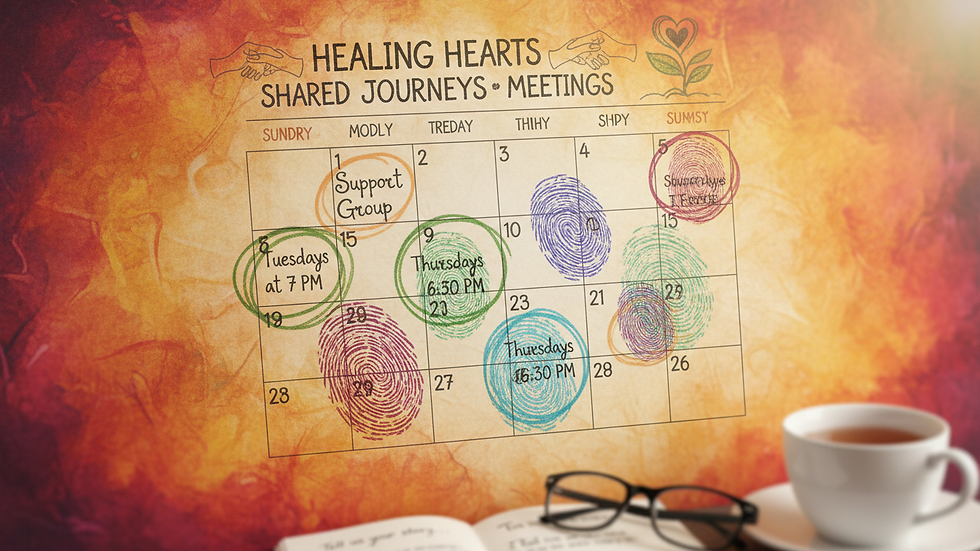
Consistency is key when navigating grief. But how often should a grief support group meet to be most effective? From my experience and what I’ve learned from grief coaches, here are some guidelines:
Weekly Meetings: Many groups meet once a week. This frequency provides regular support and a steady rhythm, which can be comforting.
Biweekly or Monthly: For some, less frequent meetings work better, especially if the grief is less acute or if members have busy schedules.
Duration of Meetings: Sessions typically last 60 to 90 minutes, allowing enough time for sharing and reflection without becoming overwhelming.
Flexibility: Some groups offer drop-in sessions or special workshops, which can be helpful during particularly tough times like anniversaries or holidays.
The key is to find a group that fits your needs and schedule. The commitment to show up, even when it’s hard, is part of the healing journey.
Practical Tips for Getting the Most Out of a Grief Support Group
Joining a grief support group can feel intimidating at first. Here are some practical tips that helped me and might help you too:
Be Open but Take Your Time: You don’t have to share everything right away. Listen, observe, and share when you feel ready.
Set Personal Boundaries: It’s okay to step back if a topic feels too painful. Your healing pace is unique.
Engage Outside the Group: Journaling, prayer, or quiet reflection between meetings can deepen your healing.
Ask Questions: Don’t hesitate to ask facilitators about the group’s approach or resources.
Connect with Members: Building friendships outside the meetings can provide additional support.
Use Technology: If in-person groups aren’t accessible, many offer virtual meetings that can be just as supportive.
Remember, grief is not a race. It’s a journey that requires patience, kindness, and sometimes, a helping hand.
Embracing the Journey: Finding Peace Amidst the Pain
Grief never truly leaves us. It changes shape, softens, and sometimes, it even teaches us about the depths of love and resilience we carry inside. Grief support groups are not magic cures, but they are bridges - bridges that connect us to others, to hope, and to healing.
If you are feeling overwhelmed, I invite you to consider joining a grief support group. You don’t have to walk this path alone. There is a community waiting to welcome you with open arms, to listen without judgment, and to walk beside you as you find your way from grief to gladness.
The journey is hard, but together, we can build bridges to healing.
If you want to learn more about the benefits of grief support groups, I encourage you to explore resources that resonate with your heart. Healing is possible, and you are not alone.



Comments