Effective Men's Grief Support: Navigating Loss with Strength and Compassion
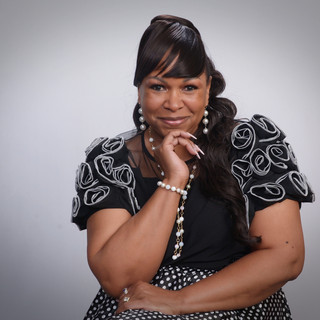
- Dr Erika Epps
- May 14
- 4 min read
Grief is a strange companion. It arrives uninvited, unannounced, and often leaves us feeling lost in a storm of emotions. I know this feeling all too well. The heaviness in your chest, the sudden tears, the moments when breathing feels like a chore - these are not signs of weakness. They are the raw, honest expressions of a heart that loves deeply and mourns profoundly. If you’re reading this, maybe you’re searching for a way to find peace amid the chaos. I want to walk with you through this journey, sharing what I’ve learned about men’s grief support and how to find a path forward.
Understanding the Unique Challenges of Men’s Grief Support
Grief doesn’t discriminate, but society often does. Men are frequently expected to be stoic, to “man up,” and to keep their emotions under tight control. This expectation can make the grieving process feel even more isolating. I’ve felt that pressure myself - the urge to hide pain behind a mask of strength, to avoid conversations that might reveal vulnerability.
But here’s the truth: grief is not a sign of weakness. It’s a natural response to loss. Men’s grief support needs to acknowledge this reality and create safe spaces where men can express their feelings without judgment. This might look like:
Talking openly with trusted friends or family members
Joining support groups specifically for men
Engaging in physical activities that help release tension and stress
Seeking professional help from therapists who understand male grief dynamics
When I first started opening up, I realized how much relief comes from simply being heard. It’s not about fixing the pain but about sharing the burden.

How to Find and Use Men’s Grief Support Effectively
Finding the right kind of support can feel overwhelming. There are so many options, and it’s hard to know what will truly help. Here’s what I’ve found useful:
Look for groups or counselors who specialize in grief and understand men’s experiences. This specialization matters because grief can manifest differently in men, often through anger, distraction, or withdrawal rather than tears.
Allow yourself to express grief in your own way. Maybe it’s through writing, art, or physical activity. Don’t force yourself into a mold that doesn’t fit.
Set small, achievable goals. For example, commit to attending one support group meeting or talking to one person about your feelings each week.
Practice patience with yourself. Grief is not linear. Some days will be harder than others, and that’s okay.
I remember the first time I shared my story in a men’s grief group. It was terrifying, but the relief afterward was immense. I wasn’t alone. That connection made all the difference.
What are the 3 C's of Grieving?
In my journey, I came across a helpful framework called the 3 C’s of grieving. These are Control, Compassion, and Connection. Understanding these can make the process feel less overwhelming.
Control: Grief often makes us feel powerless. Focusing on what you can control - like your daily routine or how you respond to emotions - can provide a sense of stability.
Compassion: Be kind to yourself. Grief is messy and unpredictable. It’s okay to have bad days. Treat yourself with the same kindness you would offer a friend.
Connection: Reach out. Isolation deepens grief. Whether it’s a support group, a therapist, or a close friend, connection is vital for healing.
These three principles helped me navigate the darkest days. They remind me that while I can’t control the loss, I can control how I care for myself and stay connected to others.

Practical Steps to Embrace Healing and Growth
Grief doesn’t have a timeline, but there are practical steps you can take to move toward healing:
Create rituals to honor your loved one. This could be lighting a candle, planting a tree, or writing a letter. Rituals provide a tangible way to express love and loss.
Engage in physical activity. Exercise releases endorphins and helps manage stress. Even a daily walk can make a difference.
Practice mindfulness and meditation. These techniques help ground you in the present moment and reduce anxiety.
Seek professional help when needed. Therapists trained in grief counseling can offer tools and support tailored to your needs.
Allow yourself to laugh and find joy. It’s okay to experience happiness even while grieving. Life is complex, and emotions can coexist.
I found that combining these steps with ongoing support created a foundation for gradual healing. It’s not about forgetting but learning to live with the loss.
Moving Forward with Compassion and Strength
Grief and love are intertwined. The pain you feel is a testament to the depth of your love. I wish I could say time heals all wounds, but sometimes time just reminds us of what we’ve lost. The key is learning to live with that pain without letting it consume you.
If you’re struggling, know that you don’t have to do this alone. There is grief support for men available, and reaching out is a brave and important step. You deserve to find peace and rest, even when the journey feels long and hard.
Remember, it’s okay to be tired. It’s okay to want to see your loved ones one more time. And it’s okay to keep moving forward, one small step at a time.
You are not alone. I am here with you.



Comments